The automotive industry is experiencing a seismic shift as it embraces innovative technologies that promise to redefine mobility. With the advent of connectivity, automation, and sustainable practices, the vehicles of tomorrow are set to enhance safety, efficiency, and the overall driving experience. This article explores the key trends and breakthroughs in automotive technology, examining how they are shaping the future of transportation.
One of the most exciting developments in the automotive sector is the rise of connected vehicles. These vehicles utilize advanced communication technologies to interact with each other and with infrastructure, creating a network of information that enhances safety and efficiency. For instance, Vehicle-to-Vehicle (V2V) communication allows cars to share data about their speed, direction, and road conditions, enabling them to anticipate potential hazards and adjust their behavior accordingly. This technology has the potential to significantly reduce accidents and improve traffic flow, making roads safer for everyone.
Furthermore, the integration of Internet of Things (IoT) technology in vehicles is revolutionizing the driving experience. Through smart sensors and cloud connectivity, drivers can access real-time data on their vehicle’s performance, maintenance needs, and even fuel efficiency. This connectivity allows for remote diagnostics and proactive maintenance, helping drivers stay informed and prolonging the lifespan of their vehicles. In addition, IoT-enabled features such as smart infotainment systems provide seamless access to navigation, entertainment, and communication, creating a more enjoyable driving experience.
Automation is another major trend in the automotive industry, with advancements in autonomous driving technology leading the way. While fully self-driving cars are still in the testing phase, many manufacturers are already incorporating semi-autonomous features into their vehicles. Technologies such as adaptive cruise control, lane-keeping assistance, and automated parking are becoming commonplace, providing drivers with added convenience and safety. These systems use a combination of sensors, cameras, and artificial intelligence to interpret the surrounding environment and make real-time decisions, showcasing the potential for a future where driving is less demanding and more enjoyable.
The path to full autonomy, however, is filled with challenges. Regulatory frameworks must evolve to keep pace with technological advancements, ensuring safety while encouraging innovation. Public acceptance is also crucial, as consumers need to trust these technologies before they fully embrace autonomous vehicles. To foster this trust, manufacturers are focusing on rigorous testing and transparent communication about the capabilities and limitations of their systems.
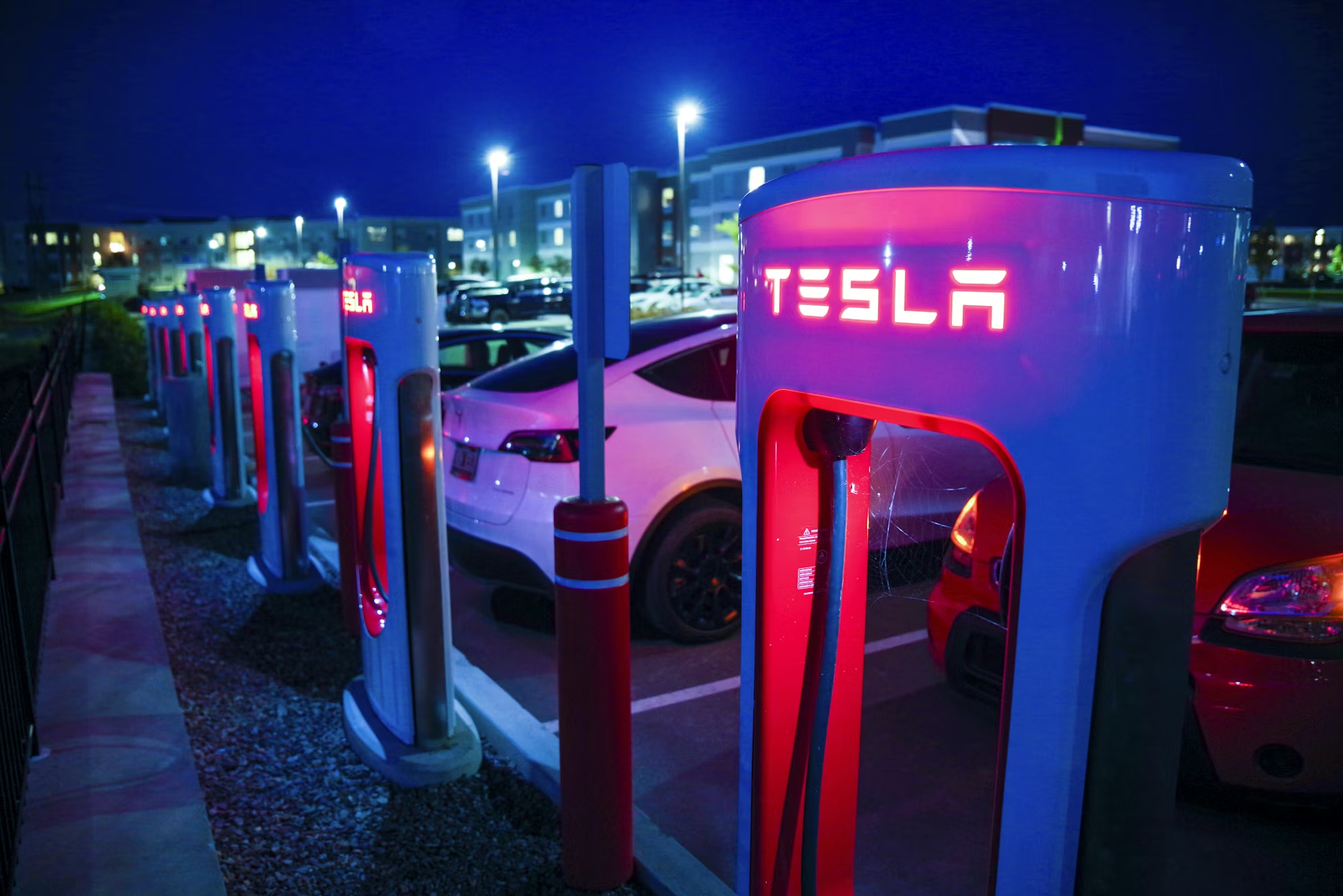
In addition to connectivity and automation, sustainability is a driving force behind the evolution of automotive technology. As concerns about climate change intensify, the industry is responding with a concerted effort to reduce its environmental impact. Electric vehicles (EVs) are at the forefront of this movement, offering a cleaner alternative to traditional gasoline-powered cars. With advancements in battery technology, the range and charging times of EVs have improved dramatically, making them a more practical choice for consumers.
Moreover, manufacturers are investing in renewable energy sources to power their production processes. Many automakers are transitioning to solar, wind, and other sustainable energy solutions to reduce their carbon footprint. This commitment to sustainability is not only beneficial for the environment but also resonates with a growing base of environmentally conscious consumers who prioritize eco-friendly practices.
The concept of circular economy is gaining traction within the automotive industry as well. This model emphasizes the importance of reusing and recycling materials, reducing waste, and extending the lifecycle of products. Automakers are exploring ways to incorporate recycled materials into vehicle production, further minimizing their environmental impact. For instance, some manufacturers are using recycled plastics for interior components, showcasing a commitment to sustainability while maintaining quality and performance.
As technology continues to evolve, the automotive industry is also exploring the potential of alternative fuels. Hydrogen fuel cells, for example, are being developed as a clean energy source that emits only water vapor as a byproduct. This technology holds promise for reducing greenhouse gas emissions and decreasing reliance on fossil fuels. As research progresses and infrastructure develops, alternative fuels may become a viable option for consumers seeking sustainable transportation solutions.
The future of automotive technology also lies in enhancing the overall user experience. Innovations in user interface design, augmented reality, and artificial intelligence are transforming how drivers interact with their vehicles. For instance, augmented reality displays can project navigation instructions onto the windshield, allowing drivers to keep their eyes on the road while receiving critical information. Additionally, AI-powered voice assistants are becoming increasingly sophisticated, enabling drivers to control various vehicle functions and access information through simple voice commands.
Moreover, automakers are focusing on personalization, allowing drivers to customize their vehicles to suit their preferences. From adjustable seating and climate control to tailored infotainment options, the aim is to create a more personalized driving experience that caters to individual needs and desires. This emphasis on personalization not only enhances comfort but also fosters a stronger emotional connection between drivers and their vehicles.
While the future of automotive technology holds immense potential, it also presents challenges that need to be addressed. Issues such as cybersecurity, data privacy, and the digital divide must be carefully considered as vehicles become increasingly connected and reliant on technology. Manufacturers and policymakers must collaborate to establish robust security measures that protect consumers while fostering innovation.
In conclusion, the automotive industry is poised for a transformative era driven by innovations in connectivity, automation, and sustainability. As we move towards a future where vehicles are not only modes of transportation but also connected, intelligent companions, the possibilities are limitless. By embracing these advancements and addressing the accompanying challenges, the automotive sector can lead the way in creating a safer, more efficient, and sustainable transportation ecosystem for all. The journey into the future of mobility is just beginning, and it promises to be an exciting ride.